

iPhone 16e Battery Basics
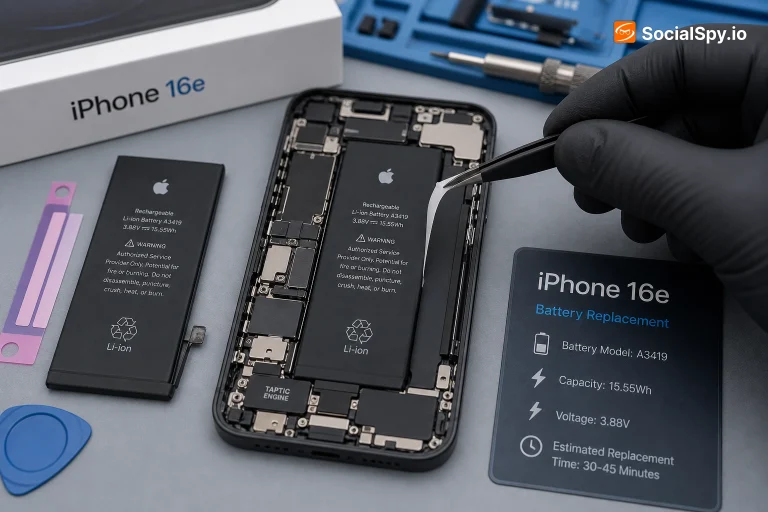
The iPhone 16e replaced the SE as Apple's budget entry point, and unlike the SE's smaller, older-design battery, the 16e ships with a genuinely large cell - larger than the standard iPhone 16's - alongside Apple's first self-designed cellular modem (the C1), which is built specifically for power efficiency. That combination makes the 16e one of the better real-world battery performers in the current lineup despite being the cheapest model.
What Made the iPhone 16e Special
The 16e replaced the SE line entirely and introduced the C1, Apple's first in-house-designed cellular modem, built for better power efficiency than the third-party modems used in every previous iPhone. It carries a single rear camera and Dynamic Island but skips the Camera Control button found on the 16 and 16 Plus, and drops full-strength MagSafe alignment magnets in favor of basic Qi wireless charging.
How the iPhone 16e Battery Ages
The battery ages the same way as any current iPhone - rated to hold at least 80% of original capacity through roughly 500 full charge cycles of typical use. The C1 modem's efficiency focus mainly affects cellular power draw (calls, data, signal searching) rather than the aging chemistry itself, but it does mean the 16e's large battery goes further per charge than its capacity number alone would suggest.
Signs You Need a Replacement
Standard indicators apply: check Battery Health (Settings, then Battery, then Battery Health & Charging) rather than guessing from feel. A reading below 80% or unexpected shutdowns at non-zero charge are the reliable signs of real wear, same as any other current iPhone.
What a Replacement Costs
As Apple's budget model, the 16e typically has the lowest battery replacement cost in the current lineup, continuing the SE's legacy as the most affordable iPhone to service. In-warranty or AppleCare+ coverage with Battery Health under 80% makes it free; independent shops tend to be especially competitive on pricing for this model given its simpler single-camera design.
DIY vs. Professional Replacement
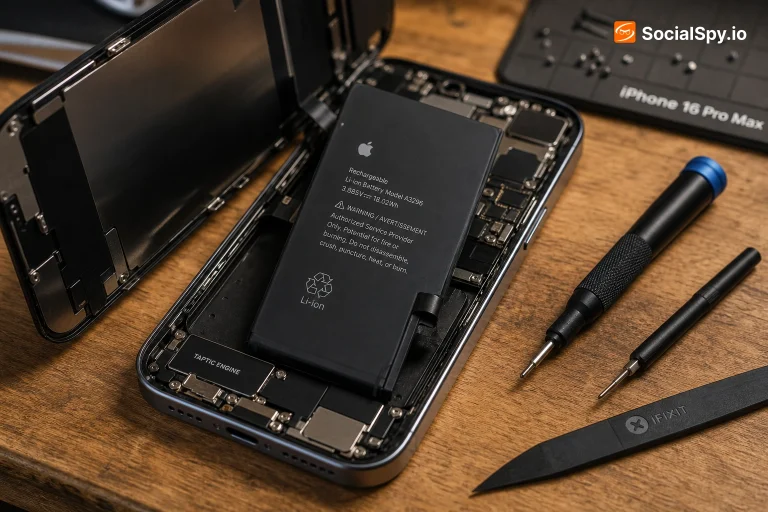
The 16e uses the same stretch-release adhesive battery mounting as the rest of the current lineup. Its single-camera design leaves a somewhat simpler internal layout than the Pro models, which can make DIY replacement marginally more approachable - though the usual cautions about puncturing the cell with a metal tool still apply and professional replacement remains the safer default.
Tips to Make It Last Longer
With an efficient modem and a large-for-its-price battery already working in your favor, the main additional lever is avoiding heat exposure - a hot car or direct sun does more long-term damage than any charging habit. Optimized Battery Charging, on by default, is worth leaving enabled regardless of routine.
Is the iPhone 16e Still Worth It in 2026?
The 16e is a strong value pick if battery life and price matter more than camera versatility or MagSafe accessories - its large battery and efficient modem make it a genuine all-day phone despite being the cheapest current model, not just a stripped-down compromise.
Frequently Asked Questions
It supports Qi wireless charging but lacks the alignment magnets of full MagSafe, so official MagSafe accessories that rely on magnetic snap-on won't attach as securely.
Yes - at roughly 4,005mAh it's larger than the standard 16's roughly 3,561mAh, despite the 16e being the cheaper model.
It's Apple's first self-designed cellular modem, replacing the third-party modems used in every prior iPhone, built with a focus on power efficiency for cellular data and calls.