iPhone 13 Battery Basics
The iPhone 13 carried a noticeably larger battery than the iPhone 12 it replaced, packed into essentially the same size body - one of the more genuine battery-life upgrades in recent iPhone history, and part of why the 13 built a reputation for lasting meaningfully longer through a day than its predecessor.
What Made the iPhone 13 Special
The 13 refined rather than reinvented the iPhone - a smaller notch, a genuinely bigger battery than the 12 in the same size body, and a brighter display were the headline improvements. It didn't get ProMotion (that stayed exclusive to the Pro models), but the battery life gain alone made it feel like a meaningfully better daily phone than its predecessor.
How the iPhone 13 Battery Ages
That larger starting capacity doesn't change how the battery ages chemically - it's still a lithium-ion cell rated to retain at least 80% of its original capacity through roughly 500 full charge cycles, with heat and calendar time mattering as much as cycle count. What it does mean is that comparisons to an iPhone 12 aren't just nostalgia: if your 13 doesn't noticeably outlast an aging 12 anymore, that's a fair sign its own battery has lost real capacity, since it started out genuinely ahead.
Signs You Need a Replacement
A 13 that used to comfortably beat older iPhones through a day and no longer does is a practical, real-world signal worth paying attention to - but the more precise way to know is checking Battery Health directly (Settings, then Battery, then Battery Health & Charging) rather than relying on memory of how it used to feel. Below 80% is Apple's own threshold for recommending replacement, and unexpected shutdowns at non-zero charge are a clear sign regardless of the percentage shown.
What a Replacement Costs
As a standard (non-Pro) model, the iPhone 13 generally costs less to service than the 13 Pro, thanks to a simpler internal layout and fewer premium components competing for space near the battery. In-warranty or AppleCare+ coverage with Battery Health under 80% makes it free; outside that, independent repair shops are typically the most budget-friendly option, while Apple and authorized providers cost more but guarantee genuine parts and include a service warranty.
DIY vs. Professional Replacement
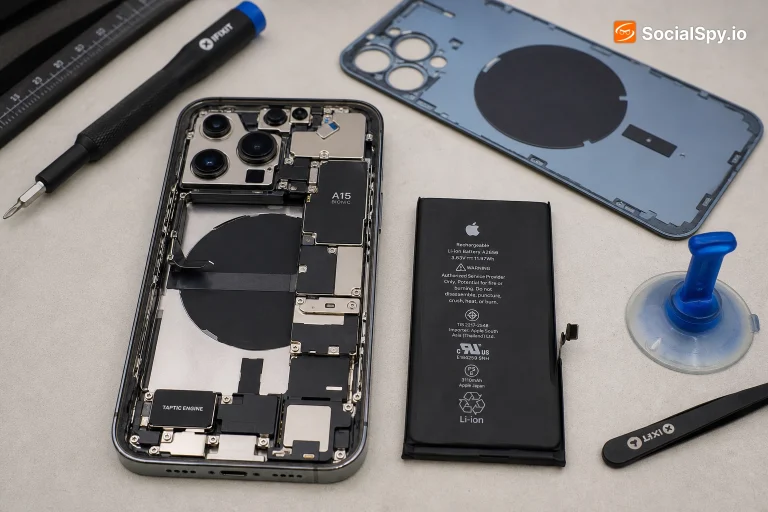
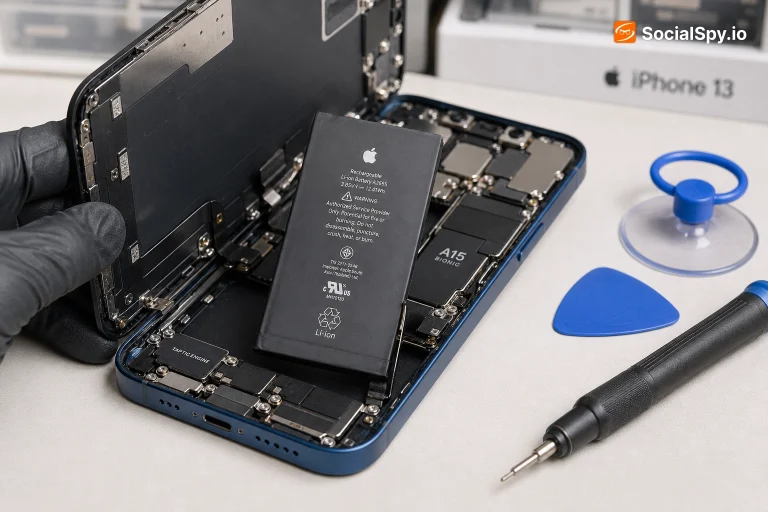
The 13 uses the same stretch-release adhesive strip system found in every recent iPhone, and its standard (non-Pro) internals leave a bit more working room than the Pro variant's denser layout. The real risk in any DIY iPhone battery swap is puncturing the cell while trying to free it from the adhesive - a genuine safety issue, not just a cost one - which is why most people are better served by professional repair unless they're already comfortable with small electronics work.
Tips to Make It Last Longer
Given the 13's already-solid battery capacity, the biggest lever for long-term health is avoiding heat exposure - a hot car, direct sun on a table, or gaming heavily while plugged in under a case all accelerate wear more than normal charging habits do. Optimized Battery Charging, enabled by default, reduces the amount of time the phone spends sitting at 100% by learning your routine and timing the final charge to your typical unplug time - a simple, passive way to slow long-term degradation.
Is the iPhone 13 Still Worth It in 2026?
In 2026, the 13's biggest selling point remains what it was at launch: solid battery life in a compact, well-built phone. It's a sensible used purchase if you don't need Pro camera features or ProMotion - check Battery Health first, since a 13 with a healthy battery should comfortably outlast a same-age 12 in daily use, which is a useful practical test if you're comparing two used units side by side.
Frequently Asked Questions
If both phones are a similar age, that points to genuine battery degradation on the 13 rather than a hardware issue - the 13 shipped with meaningfully more battery capacity than the 12, so a 13 performing at "12 levels" has usually lost real capacity from its higher starting point.
Yes, noticeably - one of the more genuine battery-life improvements Apple made generation to generation, in the same size body.
In most cases yes - a battery replacement is a small fraction of a new phone's cost and fully restores real-world battery life if the rest of the phone (storage, camera, performance) still meets your needs.
A restart can temporarily help with software-related slowdowns, but it won't change the Battery Health percentage or fix unexpected shutdowns - those are hardware symptoms that only a battery replacement actually resolves.