iPhone 17 air Battery Basics
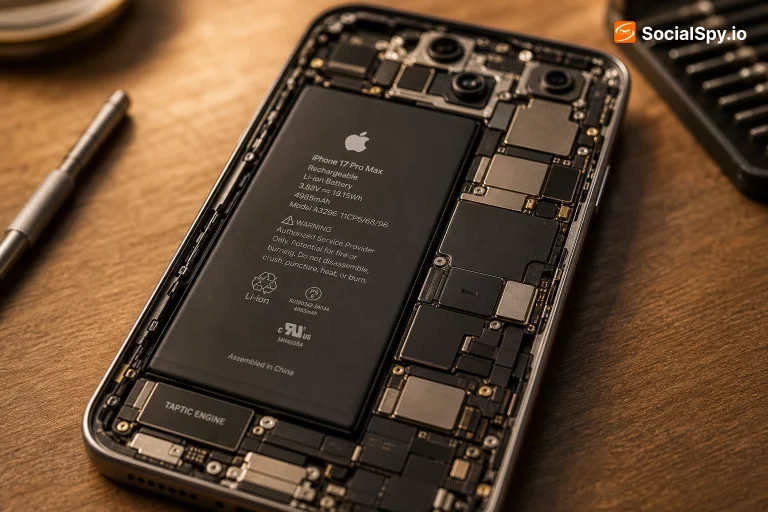
The iPhone 17 Air is Apple's thinnest iPhone ever, replacing the Plus in the lineup with a design built around thinness rather than screen size. That tradeoff - an ultra-slim body over a bigger battery - is the single most important thing to understand about how this phone handles power, since Apple had noticeably less internal volume to work with than on any other current iPhone.
What Made the iPhone 17 air Special
The 17 Air replaced the Plus as Apple's large-screen non-Pro option, pivoting the pitch from "bigger battery" to "thinnest iPhone ever." It ships with a single rear camera rather than the dual or triple setups on other models, a direct tradeoff for its slim profile, and represents Apple's first major industrial design departure in years.
How the iPhone 17 air Battery Ages
The battery itself is still a standard lithium-ion cell rated for roughly 500 full charge cycles before capacity meaningfully drops - the thin design doesn't change that chemistry. What it does change is how tightly packed the cell is against other components, which makes heat management more important than usual: the Air has less physical space to dissipate heat compared to thicker iPhones, so keeping it out of hot conditions (direct sun, a hot car) matters more here than on the Pro Max or standard 17.
Signs You Need a Replacement
Because the Air starts with a smaller capacity than any other current iPhone, wear becomes noticeable sooner in daily terms - check Battery Health (Settings, then Battery, then Battery Health & Charging) regularly rather than waiting for a problem. A reading below 80% or unexpected shutdowns are the same reliable signs as any iPhone, but on the Air they'll likely show up in daily use earlier than on a larger-battery model.
What a Replacement Costs
Given its unique ultra-thin construction, battery replacement on the Air is likely to require more specialized handling than a standard iPhone, which can put cost at or above standard Pro-tier pricing despite it not being a Pro model. In-warranty or AppleCare+ coverage with Battery Health under 80% makes it free; outside that, confirm a shop has specific experience with the Air's design before choosing them over Apple or an authorized provider.
DIY vs. Professional Replacement
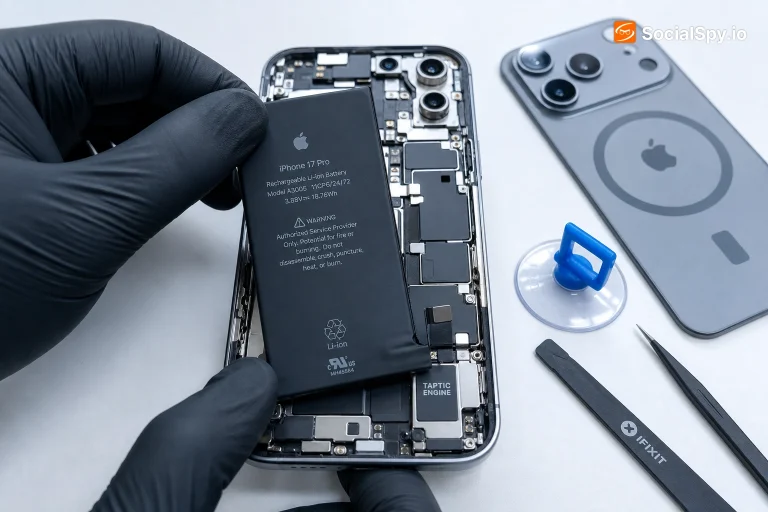
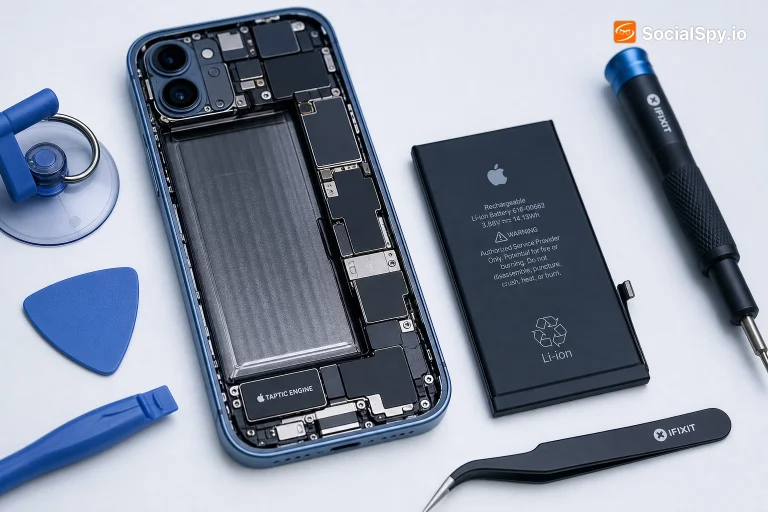
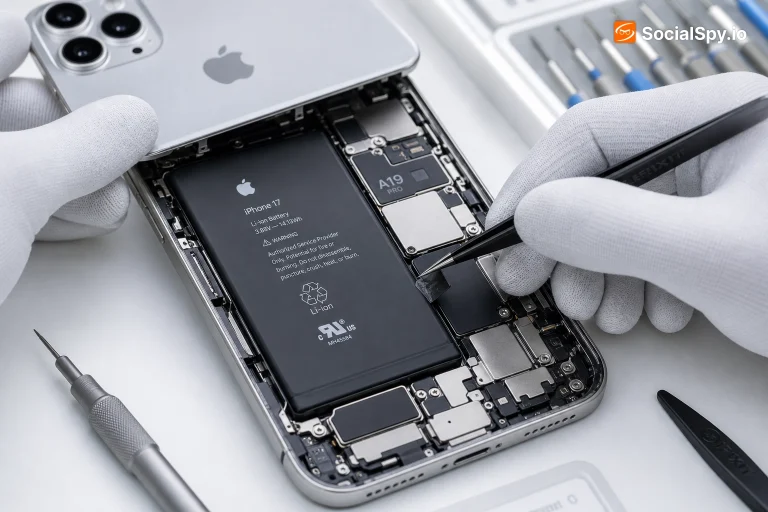
The Air's thin unibody construction makes it one of the more difficult iPhones to service yourself - there's simply less internal clearance to safely maneuver prying tools around the battery without risking damage to surrounding components. Professional replacement is strongly the safer choice on this model specifically, more so than on any other current iPhone.
Tips to Make It Last Longer
Given its smaller starting capacity and tighter internal heat management, the Air benefits more than most iPhones from deliberate battery care: avoid direct heat exposure, keep Optimized Battery Charging enabled, and consider a case with a MagSafe battery pack for longer days away from a charger rather than pushing the phone's own cell harder than necessary.
Is the iPhone 17 air Still Worth It in 2026?
The Air is worth it specifically if thinness and design are what you value most - it's a deliberate tradeoff, not a strictly "better" phone than the standard 17. If all-day battery life without a midday top-up matters more to you than how the phone feels in hand, the standard 17 or Pro models are the safer choice.
Frequently Asked Questions
Yes - at roughly 3,150mAh it's the smallest battery in the current lineup, a direct tradeoff for its ultra-thin design.
Its slim unibody construction leaves less internal room to work with, making both battery and general repairs more specialized than on the standard 17 or Pro models.
The Air represents a shift in strategy from "biggest battery in a non-Pro body" (the Plus) to "thinnest iPhone possible," aimed at buyers who prioritize design and in-hand feel over maximum battery life.