iPhone 12 Pro Battery Basics
The iPhone 12 Pro added LiDAR scanning and ProRAW photo capture on top of the standard iPhone 12's hardware, both genuinely useful features - but the 12 Pro shares the same battery capacity as the regular 12 despite the extra hardware, which is worth knowing if you're trying to understand its battery behavior.
What Made the iPhone 12 Pro Special
The 12 Pro brought LiDAR scanning, ProRAW photo capture, and a flat-edged design to the standard 12 Pro size, alongside the whole lineup's shift to 5G and MagSafe. It sat between the compact Mini and the largest Pro Max, offering Pro camera features without the Max's extra size and battery - a genuine middle-ground option in that generation.
How the iPhone 12 Pro Battery Ages
Neither LiDAR nor ProRAW runs continuously in the background, so their day-to-day impact on battery life is smaller than you might expect from "extra hardware" - they draw more power only while actively in use (scanning a room, or shooting a ProRAW photo), not constantly. The bigger, ongoing factor for the entire 12 generation is 5G: Apple's first 5G iPhones draw meaningfully more power maintaining that connection than the 4G/LTE-only iPhone 11 generation did, especially with a weak or inconsistent signal. Underneath both of those, the actual battery cell ages the same way any iPhone's does - rated for roughly 500 full charge cycles before capacity drops below 80%, with heat and calendar time mattering just as much as cycle count.
Signs You Need a Replacement
The standard signs apply on the 12 Pro without much that's unique to the Pro variant specifically: Battery Health dropping below 80% (Settings, then Battery, then Battery Health & Charging) is the clearest single indicator, and unexpected shutdowns at non-zero charge are the next most reliable sign. If you're noticing shorter days specifically after heavy LiDAR or ProRAW use, that's more likely normal feature-driven drain than degradation - the more precise way to know is checking the percentage directly.
What a Replacement Costs
As a Pro model, the 12 Pro typically costs somewhat more to service than the standard iPhone 12, reflecting its more complex camera system and internal layout even though the battery itself is the same size. In-warranty or AppleCare+ coverage with Battery Health under 80% makes it free; outside that, independent shops are usually the most affordable option, with Apple and authorized providers costing more but including genuine parts and a service warranty.
DIY vs. Professional Replacement
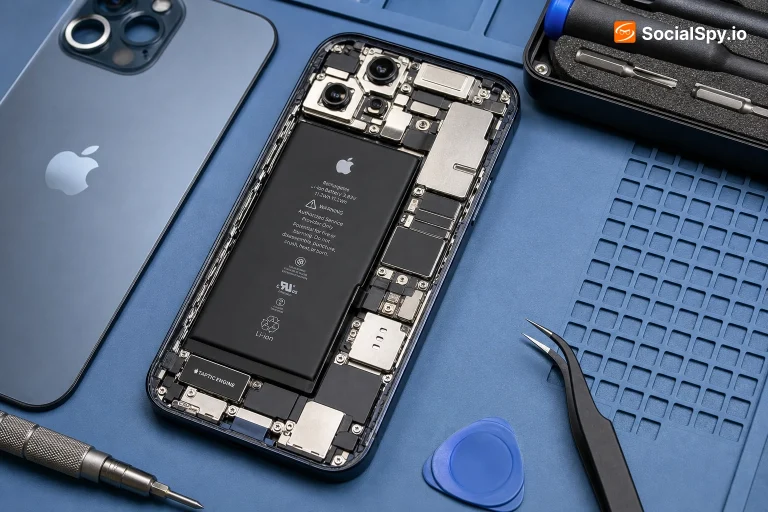
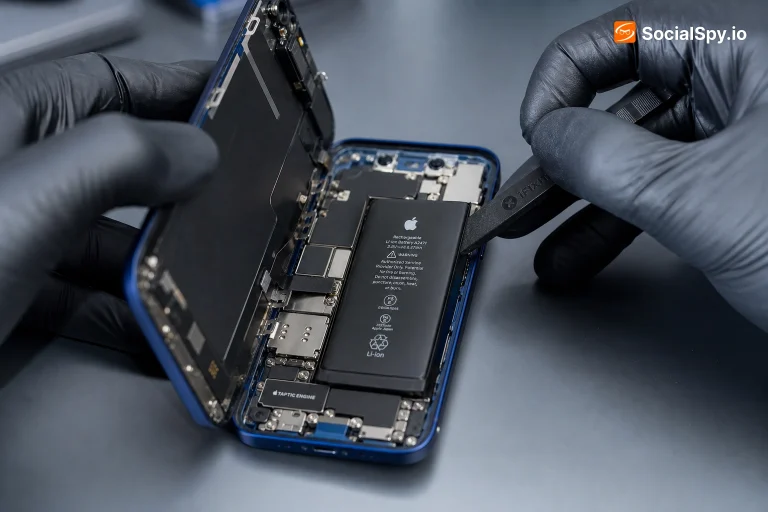
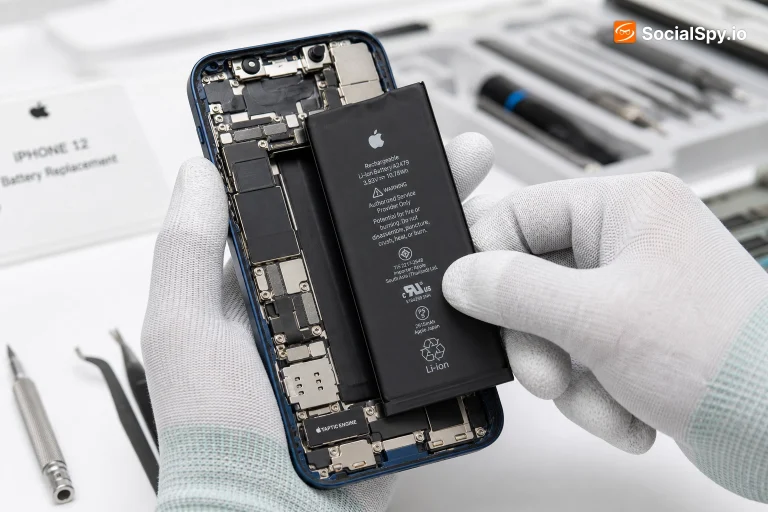
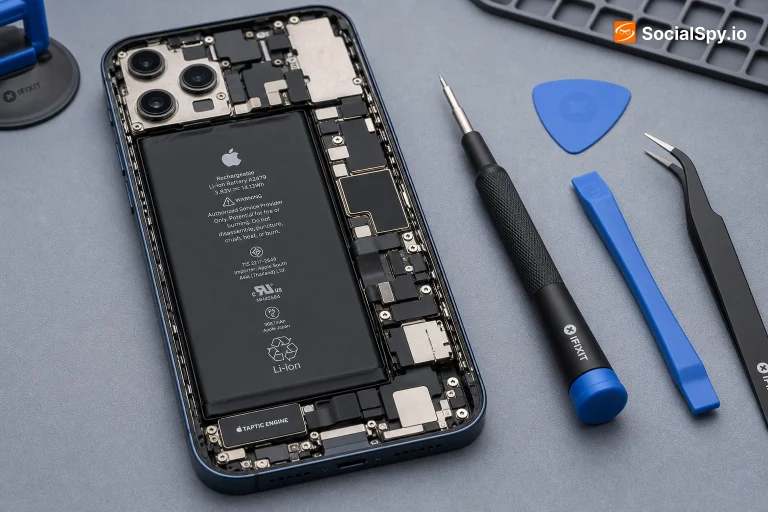
The 12 Pro uses the same stretch-release adhesive battery mounting as the rest of the modern iPhone lineup, and its Pro-tier camera and LiDAR hardware take up meaningful internal space, leaving a fairly tight working area for a DIY attempt. The genuine risk with any iPhone battery swap - puncturing the cell while freeing it from the adhesive - is a real safety issue, which is why professional repair remains the more cautious choice unless you're already experienced with this kind of work.
Tips to Make It Last Longer
Since the 12 Pro shares its 5G connectivity with the rest of the 12 lineup, checking whether it's set to "5G Auto" rather than forcing 5G on is worth doing if battery life feels short, especially in areas with inconsistent coverage. Beyond that, being mindful of how often you're actively using LiDAR-based apps or shooting ProRAW on a low battery can help you plan around their real, if occasional, extra draw. The usual long-term habits apply too: avoid heat exposure, and leave Optimized Battery Charging on to reduce time spent sitting at 100%.
Is the iPhone 12 Pro Still Worth It in 2026?
For 2026, the 12 Pro is a reasonable used pick if you want Pro-level camera features (LiDAR, ProRAW, telephoto) without the largest phone Apple made that year. Check Battery Health before buying, since 5G's extra power draw on top of several years of aging means real degradation is likely present on most units still running an original battery at this point.
Frequently Asked Questions
Only while actively in use - neither runs continuously in the background, so their effect on overall day-to-day battery life is smaller than always-on factors like 5G connectivity.
No - they share essentially the same battery capacity, despite the Pro model's additional camera and LiDAR hardware.
ProRAW files are much larger than standard photos and take more processing power to edit, which draws more battery than editing a standard JPEG - this is expected behavior tied to the feature, not a sign of battery wear.
Typically somewhat more, due to the Pro model's more complex camera assembly and internal layout, even though the battery itself is the same size as the standard 12's.