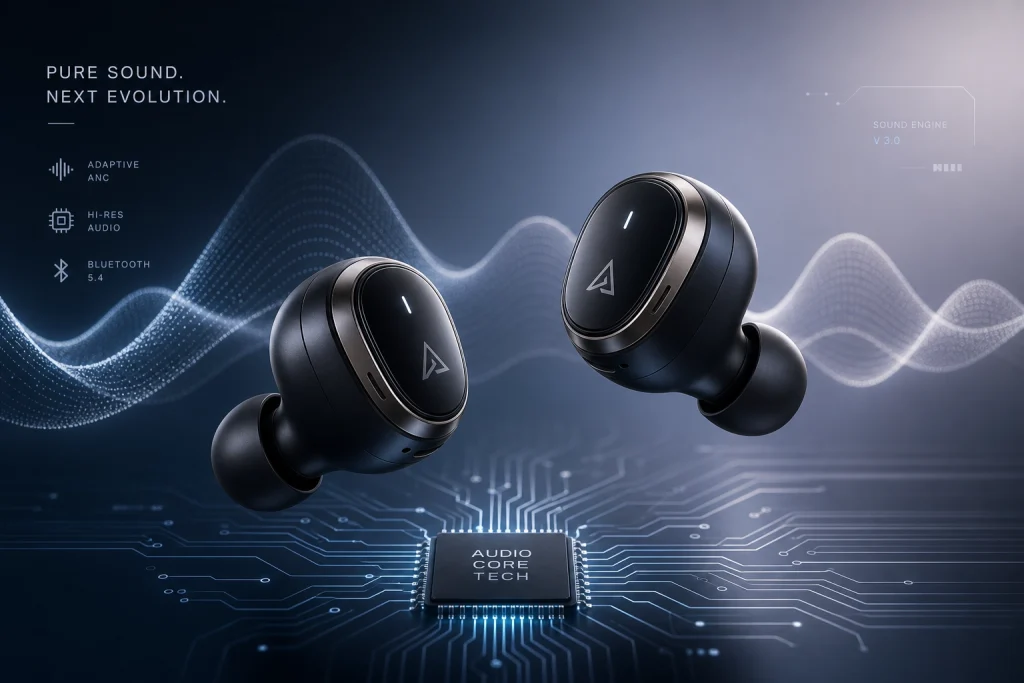
As technology continues to advance at a rapid pace, wireless earbuds have become an integral part of our daily lives. From their humble beginnings, these devices have evolved into sophisticated gadgets that offer exceptional sound quality, convenience, and style. This article explores the journey of wireless earbuds and audio technology, highlighting key developments and innovations that have shaped the industry.
The Birth of Wireless Audio
The concept of wireless audio technology can be traced back to the late 19th century. However, it wasn’t until the advent of Bluetooth technology in the late 1990s that true wireless audio began to take form. Bluetooth, a wireless communication protocol, enabled devices to connect and transmit audio without the need for physical cables. This was a groundbreaking development, setting the stage for wireless earbuds as we know them today.
Early wireless headphones were bulky and often suffered from poor sound quality and connectivity issues. Despite these initial challenges, the promise of cable-free listening spurred continued innovation in the field.
Advancements in Wireless Earbuds
Over the years, wireless earbuds have undergone significant transformations, driven by advancements in technology and changing consumer preferences. Some key developments include:
- Improved Connectivity: With each new generation of Bluetooth technology, wireless earbuds have seen enhancements in connectivity stability and range. Bluetooth 5.0, for instance, offers greater range and faster data transfer, reducing latency issues and improving audio quality.
- Enhanced Sound Quality: The integration of advanced audio codecs, such as aptX and AAC, has significantly improved the sound quality of wireless earbuds. These codecs allow for higher bit-rate audio streaming, resulting in clearer and richer sound.
- Battery Life: Early wireless earbuds had limited battery life, often lasting just a couple of hours on a single charge. Today’s models boast extended battery life, with many offering upwards of 8-10 hours of playback time and additional charges provided by portable charging cases.
- Active Noise Cancellation (ANC): Once a feature exclusive to high-end over-ear headphones, ANC is now commonplace in wireless earbuds. This technology uses microphones and sound wave interference to reduce ambient noise, enhancing the listening experience.
- Fitness and Health Tracking: Some wireless earbuds now incorporate sensors that track health metrics such as heart rate, steps, and calories burned, transforming them into multi-functional devices.
Design and Aesthetic Evolution
Design has played a crucial role in the evolution of wireless earbuds. Early designs were often criticized for being unwieldy and ill-fitting. However, ongoing research and development have led to more ergonomic and aesthetically pleasing designs that cater to diverse consumer preferences.
Modern wireless earbuds are available in a variety of shapes, sizes, and colors, offering both form and function. In-ear detection, touch controls, and customizable fit options allow for a personalized user experience. Additionally, the trend towards minimalism and sleek design has influenced the creation of fashion-forward earbuds that double as tech accessories.
The Future of Wireless Earbuds
As we look towards the future, the potential for further innovation in wireless earbuds and audio technology is vast. Emerging technologies such as artificial intelligence (AI) and machine learning are poised to revolutionize the way we interact with our earbuds. For instance, AI could enable earbuds to adapt sound profiles based on the user’s environment, providing an even more immersive listening experience.
Furthermore, advancements in battery technology could lead to even longer playback times and faster charging. As more devices embrace wireless charging, we may see wireless earbuds with integrated charging capabilities, eliminating the need for traditional charging cases altogether.
In terms of sustainability, manufacturers are increasingly focusing on eco-friendly materials and production processes. This shift towards sustainable practices is likely to continue, aligning with global efforts to reduce electronic waste.
Conclusion
The evolution of wireless earbuds and audio technology is a testament to the relentless pursuit of innovation and the desire for enhanced user experiences. From basic wireless connectivity to sophisticated noise-cancellation and health-tracking features, wireless earbuds have come a long way. As technology continues to evolve, we can anticipate even more exciting developments on the horizon, redefining how we listen to and interact with audio in our everyday lives.
FAQ
What are the key differences between wireless earbuds and traditional wired headphones?
Wireless earbuds offer the convenience of cable-free listening, enhanced portability, and often include advanced features such as active noise cancellation and fitness tracking. In contrast, traditional wired headphones generally provide superior audio quality due to a direct connection, but lack the convenience and additional functionalities of wireless models.
How does active noise cancellation work in wireless earbuds?
Active noise cancellation (ANC) in wireless earbuds uses built-in microphones to pick up ambient sounds. The earbuds then generate sound waves that are the exact negative of the detected noise, effectively canceling it out. This process reduces unwanted background noise, allowing for a more immersive listening experience.
Can wireless earbuds be used for making phone calls?
Yes, most modern wireless earbuds are equipped with built-in microphones, enabling users to make and receive phone calls. Some models feature advanced noise-canceling microphones that improve call clarity by reducing background noise during conversations.