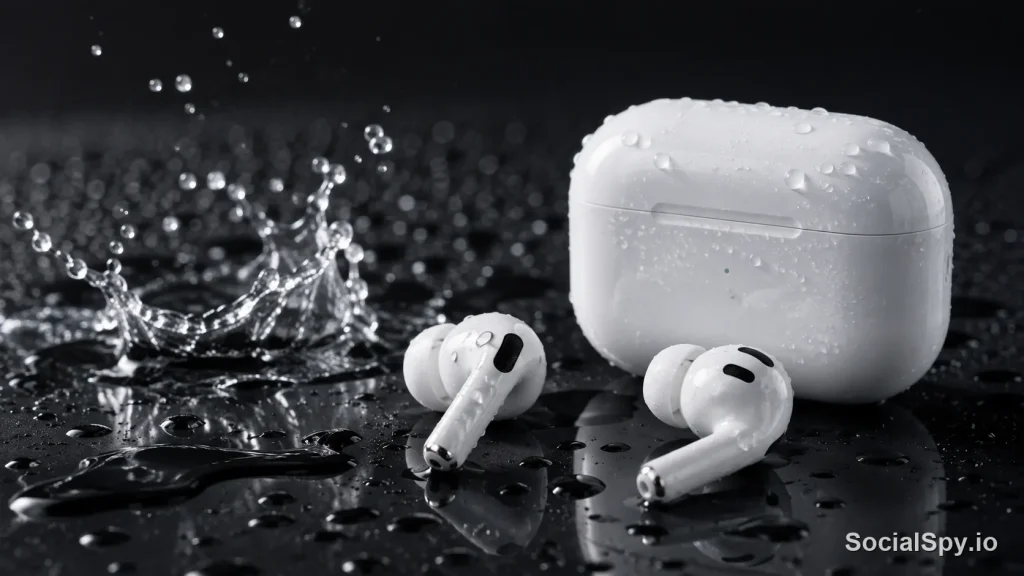
AirPods Pro have become the default earbuds for gym sessions, rainy commutes, and sweaty runs, but Apple’s marketing language around “water resistance” leaves a lot of people guessing what actually happens if their buds get wet. The short version: they’re resistant to sweat and light rain, not built for swimming or submersion, and the exact protection level depends on which generation you own.
Understanding IP Ratings: The Number That Actually Matters
Apple doesn’t just say “water resistant” — it assigns an actual IP (Ingress Protection) rating, and that two-digit code tells you exactly what the earbuds can survive. The first digit measures dust resistance on a scale of 0-6; the second measures water resistance on a scale of 0-9.
Most people skip straight to the second number, which is the one that matters for AirPods Pro.
| Rating | What It Means | Real-World Equivalent |
|---|---|---|
| IPX4 | Splash resistant from any direction | Sweat during a workout, light rain |
| IP54 | Dust protected + splash resistant | Sweat, rain, accidental spills |
| IP57 | Dust protected + submersion up to 1 meter for 30 minutes | Brief drop in a puddle, shallow accidental dunk |
| IP68 | Full dust protection + deep submersion | Dropped in a pool or the ocean |
Notice that even the best AirPods Pro rating, IP57, tops out at one meter for 30 minutes — nowhere close to the IP68 rating found on flagship phones. That gap is intentional and comes down to physics.
Earbuds have tiny speaker grilles, microphone ports, and moving diaphragms that need to let sound in and out. Fully sealing them the way a phone chassis can be sealed would kill audio quality.
How Each AirPods Pro Generation Actually Compares
Apple has quietly improved water resistance with every AirPods Pro refresh, and the differences are bigger than most owners realize.
AirPods Pro (1st Generation, 2019)
- Earbuds: IPX4 — sweat and water resistant only
- Charging case: No IP rating at all — treat it as not water resistant
- No stem touch sensor for volume; force sensor for playback only
AirPods Pro 2 (2022, USB-C model updated 2023)
- Earbuds: IPX4 — same protection level as the original
- Charging case: IP54 — the first Apple charging case with an official rating
- Added touch volume control and Adaptive Transparency
AirPods Pro 3 (2025)
- Earbuds: IP57 — a meaningful jump, tolerating brief shallow submersion
- Charging case: IP54, matching the Pro 2’s case
- Added a built-in heart-rate sensor for workout tracking, which required redesigned internal sealing
The case improvement in the AirPods Pro 2 generation mattered because most water damage historically happened to the case, not the buds — sweaty gym bags and rain-soaked pockets are brutal on charging contacts. The jump to IP57 on the AirPods Pro 3 is the most significant durability upgrade in the product line’s history, even if Apple has stayed conservative about how it markets that number.
What This Actually Means for Daily Use
Here’s where the ratings translate into real behavior. An IP54 or IPX4 rating is calculated under lab conditions with clean, room-temperature water — not chlorine, saltwater, or sudden temperature shock. That distinction matters more than most owners assume.
Safe, low-risk situations:
- Running or cycling in heavy sweat conditions
- Getting caught in light-to-moderate rain
- Accidentally splashing them at a sink
- Wearing them during a rainy outdoor workout
Situations that will likely cause damage:
- Swimming or showering with them in, even briefly
- Dropping them in a pool, lake, or toilet
- Running them through a washing machine in a pocket
- Using them in a sauna or steam room (heat plus moisture is a double threat)
- Submerging them to “test” the rating yourself
Apple has been explicit that water resistance ratings are not permanent — they degrade over time from everyday wear, ear wax buildup, and the natural breakdown of internal seals. A pair that was IP54-rated on day one may not perform the same after two years of gym use.
What Happens If Your AirPods Pro Get Water Damage
Water damage on earbuds usually shows up as muffled audio, one earbud cutting out, or a case that won’t charge properly. If that happens, the fix isn’t complicated, but speed matters.
- Remove the AirPods Pro from the case immediately and wipe them dry with a lint-free cloth.
- Place them speaker-grille-down on a dry paper towel and let them air dry for at least 24 hours.
- Avoid heat sources like hair dryers or direct sunlight — heat can warp the internal seals further.
- Do not charge the case until it’s completely dry, since moisture on the Lightning or USB-C contacts can cause corrosion.
- If sound is still muffled after drying, contact Apple Support or visit an Apple Store for diagnostic testing.
Warranty coverage is where things get complicated. Apple’s standard one-year limited warranty explicitly excludes liquid damage as a defect. AppleCare+, however, does cover accidental liquid damage — but with a service fee per incident, typically in the $29 range for AirPods as of current 2026 pricing.
This is a similar gray area to what phone owners deal with — for a deeper look at how ratings and warranty terms interact on Apple hardware, the breakdown in Is the iPhone 14 Pro Max Waterproof is a useful comparison, since Apple’s IP68-rated phones face nearly identical liquid-damage exclusions despite having a far higher on-paper rating.
How AirPods Pro Stack Up Against Other Apple Audio Gear
Not every Apple earbud or headphone gets the same treatment, and the differences are bigger than people expect when they’re comparing products in the same ecosystem.
| Product | Water Rating | Best Use Case |
|---|---|---|
| AirPods (3rd gen) | IPX4 | Light sweat, casual rain |
| AirPods Pro 2 | IPX4 (buds) / IP54 (case) | Gym, running, commuting |
| AirPods Pro 3 | IP57 (buds) / IP54 (case) | Heavy workouts, outdoor sports, brief water exposure |
| AirPods Max | No IP rating | Indoor use, office, travel — not for sweat or rain |
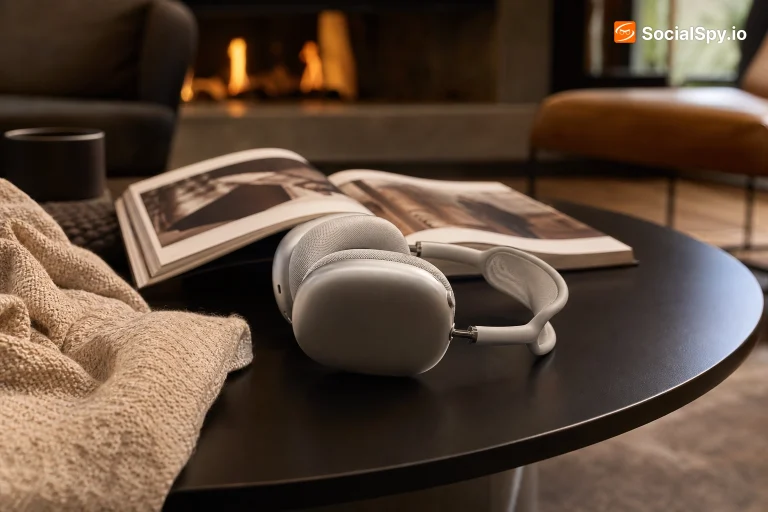
That last row surprises a lot of people. AirPods Max, Apple’s over-ear headphones, carry zero official water or sweat resistance. The mesh-covered ear cushions and open acoustic design make them far more vulnerable than any AirPods Pro model.
Anyone deciding between the two product lines for active use should factor that gap in heavily — a full breakdown of where AirPods Max actually earns its premium price tag, including this durability tradeoff, is covered in Are AirPod Max Worth It.
Practical Tips to Protect Your Investment
Since AirPods Pro cost anywhere from $199 to $249 depending on generation, protecting the water resistance you’re already paying for is worth the small effort.
- Dry your ears and the buds after workouts before placing them back in the case — trapped moisture is worse than a quick splash
- Clean the speaker mesh regularly with a soft, dry brush; wax buildup traps moisture against sensitive components
- Avoid storing the case in a sweaty gym bag pocket where humidity has nowhere to escape
- Skip the shower and pool entirely, even for “just a minute” — this is the single most common cause of AirPods Pro water damage claims
- Consider a silicone ear tip upgrade with better sealing, which indirectly reduces how much moisture reaches the internal grille
Third-party silicone covers exist for the AirPods Pro case, but Apple has noted these can interfere with wireless charging alignment and, in some cases, trap rather than repel moisture — read reviews carefully before buying one.
Conclusion
AirPods Pro occupy a middle ground that trips people up precisely because Apple’s marketing implies more toughness than the IP rating actually delivers. IPX4 and IP54 buy real peace of mind for sweat, rain, and everyday clumsiness — they do not buy a pass for the shower, the pool, or the washing machine. The AirPods Pro 3’s jump to IP57 is a genuine upgrade for anyone doing serious outdoor training, but it still stops well short of the IP68 submersion protection found on modern flagship phones. Treat the rating as insurance against accidents, not a green light to swim with them in, and they’ll likely outlast the two-to-three-year replacement cycle most AirPods owners end up on anyway.
FAQ
No — even though the earbuds carry an IPX4 or IP57 rating, Apple explicitly recommends against showering with them because steam, hot water pressure, and soap residue can degrade the internal seals faster than a simple splash would.
Yes, under Apple’s standard limited warranty liquid damage is excluded as a covered defect, but if you have AppleCare+ the incident is typically still repairable for a flat service fee rather than a full warranty denial.
Yes — the AirPods Pro 3 jumped from an IPX4 rating to IP57 on the earbuds themselves, meaning they can survive brief accidental submersion up to one meter for 30 minutes, a real-world improvement the AirPods Pro 2 simply can’t match.