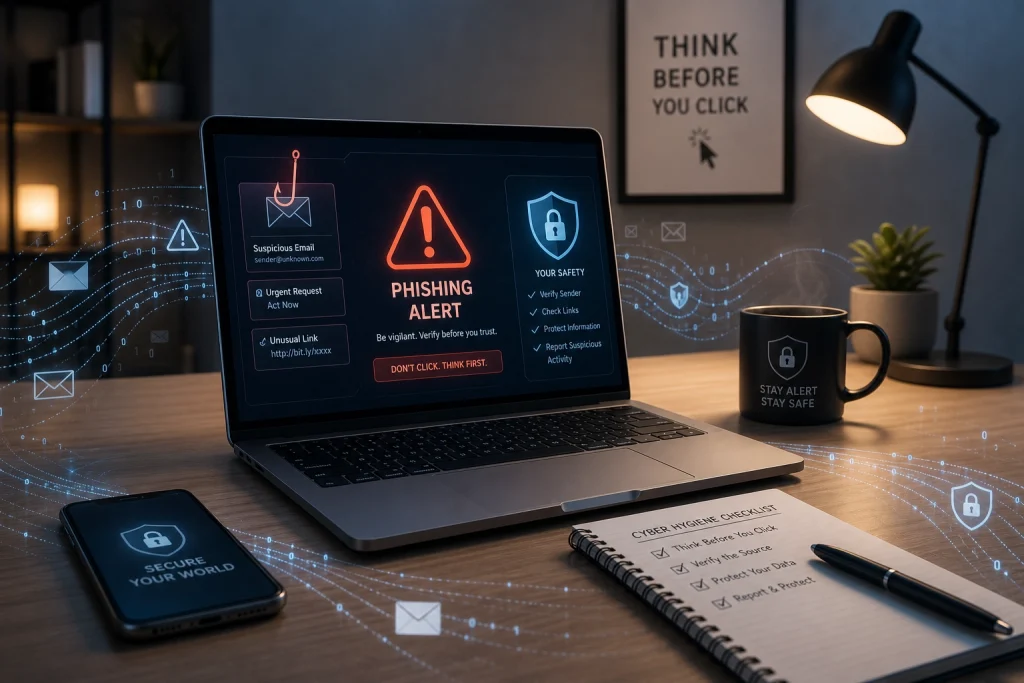
In the digital age, the internet offers countless opportunities for communication, commerce, and entertainment. However, it also presents risks, particularly in the form of phishing scams. Phishing involves deceitful attempts by cybercriminals to acquire sensitive information by masquerading as trustworthy entities. Understanding how phishing works and learning how to protect yourself are essential steps in safeguarding your personal and financial information.
What is Phishing?
Phishing is a type of cyber attack where attackers impersonate legitimate institutions to trick individuals into providing sensitive data. This data can include usernames, passwords, credit card numbers, and other personal information. Typically, phishing attacks are executed via email, but they can also occur through text messages, social media, or phone calls.
The primary goal of phishing is to steal information for financial gain or to commit identity theft. These scams can have serious consequences, including financial loss, unauthorized access to personal accounts, and compromised data security.
Common Types of Phishing Scams
Phishing scams come in various forms, each with its unique methods of deception. Here are some of the most prevalent types:
- Email Phishing: The most common form of phishing, where attackers send fraudulent emails that appear to come from reputable sources. These emails often contain links to fake websites designed to steal login credentials or personal information.
- Spear Phishing: A more targeted form of phishing, where attackers focus on a specific individual or organization. The messages are personalized and often contain information relevant to the target, making them more convincing.
- Clone Phishing: Attackers create a nearly identical copy of a legitimate message previously received by the victim. The cloned message typically contains a malicious link or attachment.
- Whaling: A type of phishing that targets high-profile individuals within an organization, such as executives or senior management. The goal is to gain access to sensitive company information.
- Smishing and Vishing: Phishing attempts conducted via SMS (smishing) or voice calls (vishing). These methods aim to trick recipients into providing confidential information over the phone or through text messages.
How to Recognize Phishing Attempts
Recognizing phishing attempts can help you avoid falling victim to these scams. Here are some telltale signs of phishing:
- Suspicious Sender Addresses: Phishing emails often come from email addresses that look similar to legitimate ones but contain subtle differences. Always double-check the sender’s address for any discrepancies.
- Generic Greetings: Phishing emails may use generic greetings like “Dear Customer” instead of addressing you by name. Legitimate organizations usually personalize their communications.
- Urgent or Threatening Language: Scammers often create a sense of urgency or fear to prompt immediate action, such as claiming your account will be suspended if you don’t respond.
- Spelling and Grammar Errors: Many phishing emails contain noticeable spelling and grammar mistakes, which are often red flags.
- Unusual Attachments or Links: Be wary of unexpected attachments or links, especially if they prompt you to enter personal information or download files.
Steps to Protect Yourself from Phishing Scams
While phishing scams can be sophisticated, there are several steps you can take to protect yourself:
- Verify the Source: Before clicking on any links or downloading attachments, verify the legitimacy of the source. Contact the organization directly using contact information from their official website.
- Use Security Software: Install and maintain robust security software on your devices to detect and block phishing attempts.
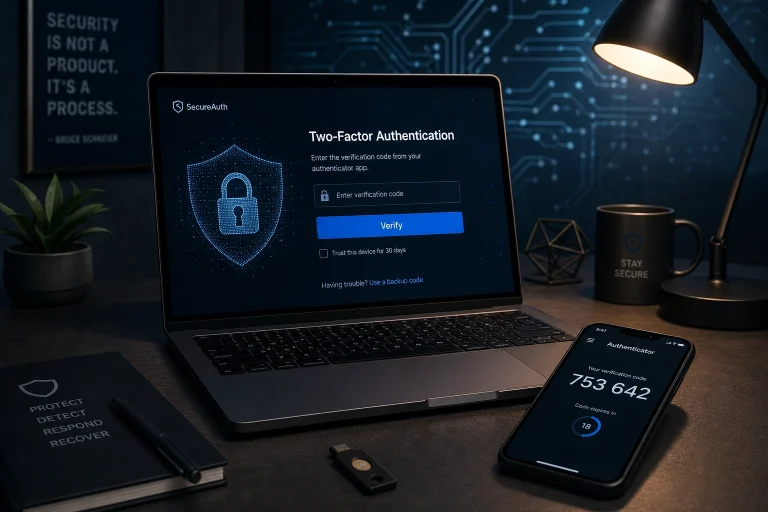
- Enable Two-Factor Authentication (2FA): Whenever possible, enable 2FA on your accounts for an added layer of security. This requires a second form of verification in addition to your password.
- Stay Informed: Keep yourself updated on the latest phishing tactics and scams. Awareness is a powerful tool in preventing phishing attacks.
- Report Phishing Attempts: If you suspect that you have received a phishing message, report it to the appropriate authorities or the organization being impersonated.
Conclusion
Phishing scams are a persistent threat in the digital world, but by staying informed and vigilant, you can protect yourself from falling victim to these deceptive tactics. Always be cautious when providing personal information online, and remember to verify the authenticity of any communication that requests sensitive data. By following best practices and using security tools, you can help safeguard your information and contribute to a safer online environment.
Frequently Asked Questions
What should I do if I fall victim to a phishing scam?
If you believe you have fallen victim to a phishing scam, take immediate action by changing your passwords and contacting your bank or credit card company to report unauthorized transactions. Additionally, monitor your accounts for any suspicious activity and consider reporting the incident to law enforcement or cybercrime authorities.
How can I identify a phishing email?
Phishing emails often contain warning signs such as suspicious sender addresses, generic greetings, urgent or threatening language, spelling and grammar errors, and unusual attachments or links. Always be cautious and verify the legitimacy of the sender before taking any action.
Are phishing scams only conducted via email?
No, phishing scams can occur through various channels, including text messages (smishing), phone calls (vishing), and social media platforms. It’s important to remain vigilant across all communication methods and be cautious of unsolicited requests for personal information.