iPhone 11 Battery Basics
The iPhone 11 was one of the best-selling iPhones Apple has ever made, which also means it's one of the most common models people are searching for battery replacement information on today. It's now old enough (2019) that most units still in daily use have accumulated well past the point where noticeable capacity loss is expected.
What Made the iPhone 11 Special
The 11 replaced the single-camera iPhone XR with a dual-camera system (adding ultra-wide) while keeping the XR's approachable price and LCD display - a genuinely good value proposition that helped make it one of Apple's best-selling iPhones ever. It also introduced Night Mode to the standard (non-Pro) lineup.
How the iPhone 11 Battery Ages
Like every iPhone, the 11's battery is a lithium-ion cell rated to hold at least 80% of its original capacity through roughly 500 full charge cycles under normal conditions - for someone charging once a day, that works out to somewhere between a year and a half and two years before the drop becomes noticeable. Several years past that point now, calendar aging (the slow chemical wear that happens even when a phone sits unused) has almost certainly compounded with cycle-based wear for any 11 still in regular use, especially if it's spent meaningful time exposed to heat over the years.
Signs You Need a Replacement
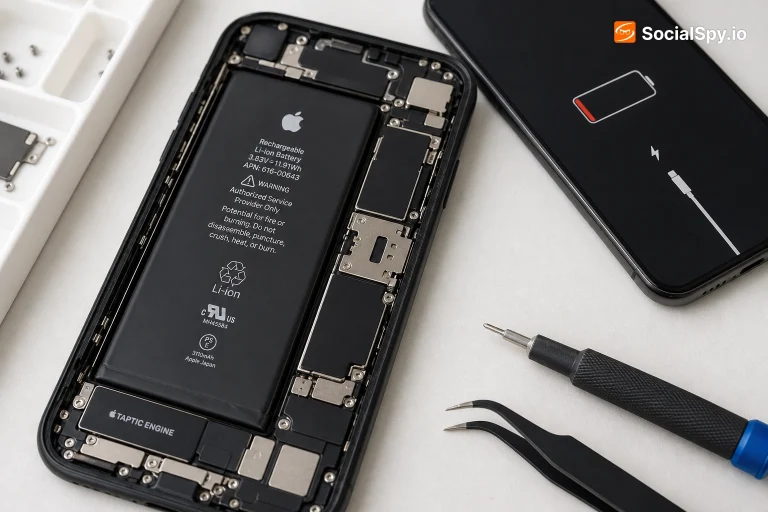
At this age, the standard signs are very likely to show up if they haven't already: Battery Health below 80% (Settings, then Battery, then Battery Health & Charging) is common on original-battery 11 units at this point, and unexpected shutdowns at non-zero charge are a frequent complaint. If you haven't checked recently, it's worth doing even without obvious symptoms, since gradual decline is easy to adapt to without noticing.
What a Replacement Costs
As a standard, high-volume model now several years old, the iPhone 11 tends to have some of the most affordable and widely available battery replacement options of any recent iPhone - parts are common, and most independent shops have done this specific repair many times over. In-warranty coverage is unlikely at this point for most owners, making this typically an out-of-pocket cost, though pricing tends to be lower than for newer models given how established the repair is.
DIY vs. Professional Replacement
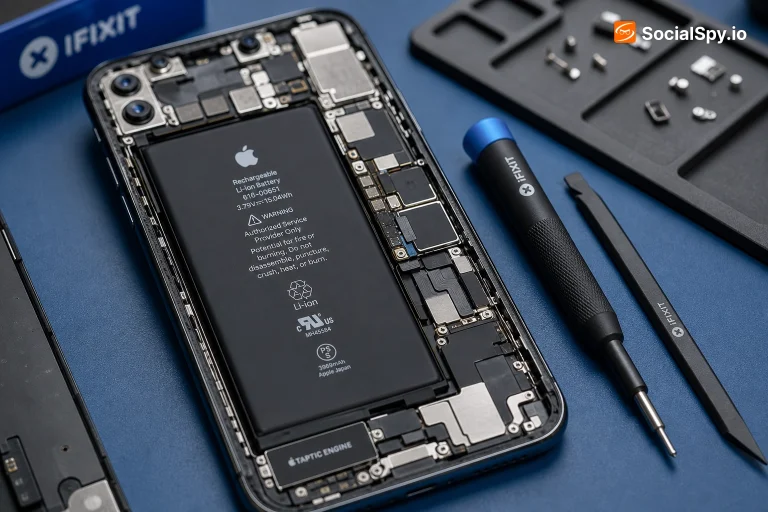
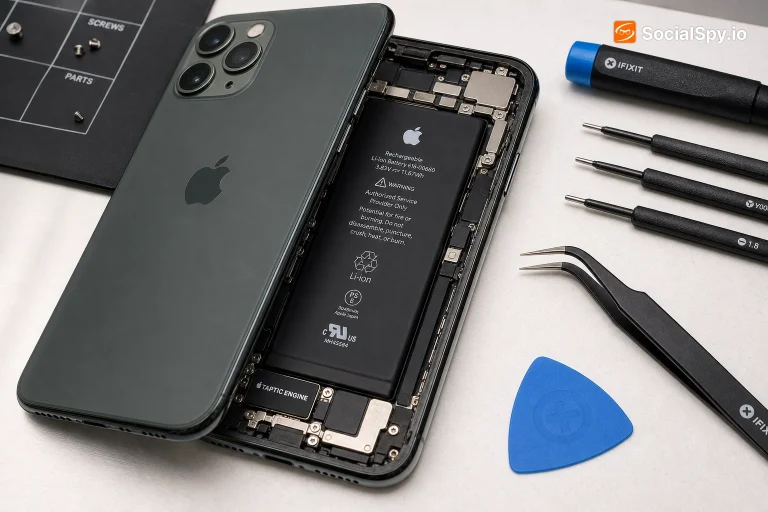
The 11 uses stretch-release adhesive strips to hold its battery in place, the same system as the rest of the modern iPhone lineup, and being such a well-documented, widely-owned model, DIY guides, videos, and replacement kits are easy to find and generally reliable. The core risk is unchanged from any other iPhone - a punctured cell while prying it free is a genuine safety issue - but the abundance of clear documentation for this specific model makes it one of the more approachable DIY candidates if you're comfortable with the process.
Tips to Make It Last Longer
For a phone this age, the most useful step is simply checking Battery Health and deciding from there, rather than trying to nurse an already well-worn original battery along with new habits. Once a fresh battery is in, the usual advice still helps going forward: avoid heat exposure, and leave Optimized Battery Charging enabled to slow future wear and get the most life out of the replacement.
Is the iPhone 11 Still Worth It in 2026?
In 2026, the 11 remains a very capable everyday phone - the dual-camera system and Night Mode cover most casual photography needs well, and its LCD display, while not as vivid as OLED, remains perfectly usable. Given how common this model is, used units are widely available and reasonably priced; Battery Health is the main thing to check, since at this age most units have accumulated real wear regardless of how well they've been treated.
Frequently Asked Questions
Yes - at this age (several years and almost certainly past 500 charge cycles for daily users), meaningful battery capacity loss is expected and normal, not a sign anything is wrong with the phone otherwise.
Generally yes - as a widely-owned, well-established model, parts are common and the repair process is familiar to most shops, which tends to keep pricing more competitive than for newer, less common models.
Yes - the rest of the hardware (camera, display, processor) remains capable for everyday use, and a fresh battery addresses the most common reason older iPhones start to feel unreliable.
Check Settings, then General, then Software Update to see what's currently available - older iPhones eventually stop receiving the newest iOS versions, though the 11 has continued to receive updates for several years past launch.