iPhone 12 Battery Basics
The iPhone 12 was Apple's first 5G iPhone, and that single change is the biggest reason the 12 generation got a reputation for battery life that didn't quite match earlier iPhones, even with a similar-sized battery on paper. If your 12's battery has always felt a little short - even back when it was new - 5G is a genuine, documented part of the reason why.
What Made the iPhone 12 Special
The 12 was the entry point into Apple's first 5G generation, bringing a flat-edged design (a return to the iPhone 4/5 aesthetic), OLED display (upgrading from the 11's LCD), MagSafe magnetic charging and accessories, and Ceramic Shield front glass for better drop resistance - a genuinely significant design and technology refresh in a single generation.
How the iPhone 12 Battery Ages
5G connections draw meaningfully more power than 4G/LTE, especially when the signal is weak and the phone works harder to maintain it - that's a real, ongoing factor separate from battery wear, and it's specific to this generation in a way that doesn't apply to the iPhone 11 or earlier. Underneath that, the actual battery cell ages the same way any iPhone's does: rated to hold at least 80% of its original capacity through roughly 500 full charge cycles, with calendar time and heat exposure mattering just as much as how often you charge it. Several years past launch, most 12 units in daily use have accumulated well past that cycle threshold, meaning genuine degradation is now stacking on top of the 12's already-present 5G power draw.
Signs You Need a Replacement
On a 12, it's worth checking whether 5G is set to search aggressively in an area with inconsistent coverage (Settings, then Cellular, then Cellular Data Options, then Voice & Data) before concluding the battery itself needs replacing - switching to "5G Auto" can noticeably help if that's been the issue. That said, at this age, Battery Health below 80% or unexpected shutdowns at non-zero charge are common and worth checking directly (Settings, then Battery, then Battery Health & Charging) regardless of your 5G settings.
What a Replacement Costs
As a standard (non-Pro) model, the iPhone 12 generally costs less to service than the 12 Pro or Pro Max, thanks to a simpler camera system and internal layout. In-warranty or AppleCare+ coverage with Battery Health under 80% makes it free; outside that, independent shops tend to offer the most affordable pricing, while Apple and authorized providers cost more but include genuine parts and a service warranty.
DIY vs. Professional Replacement
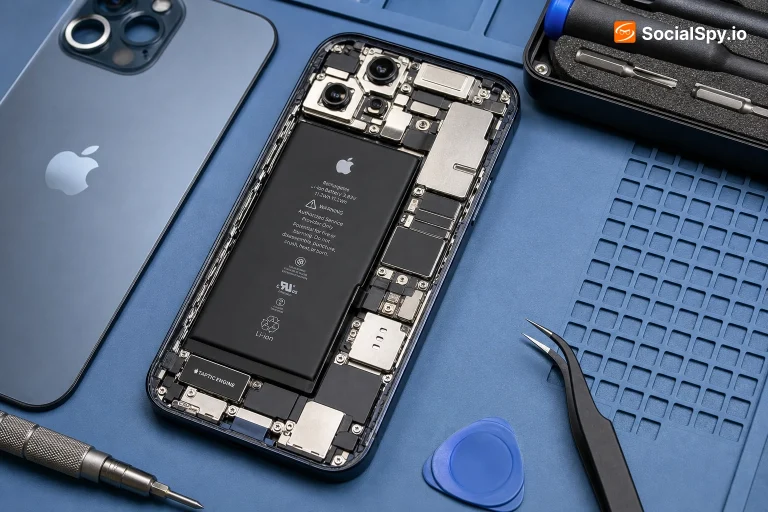
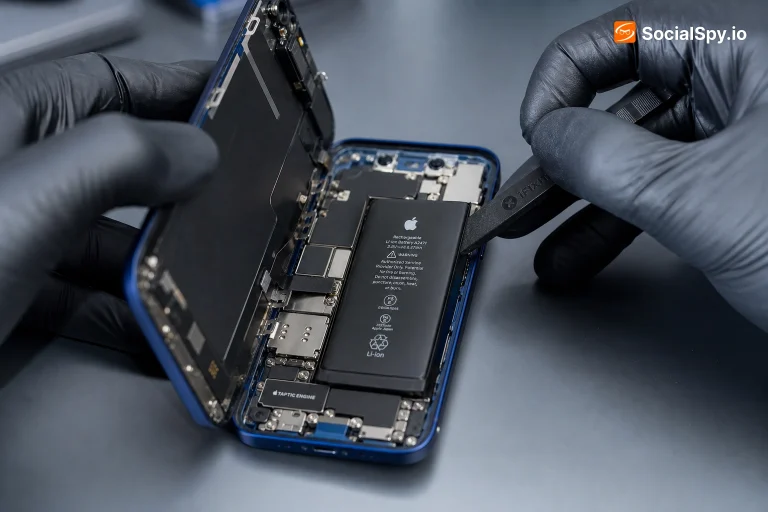
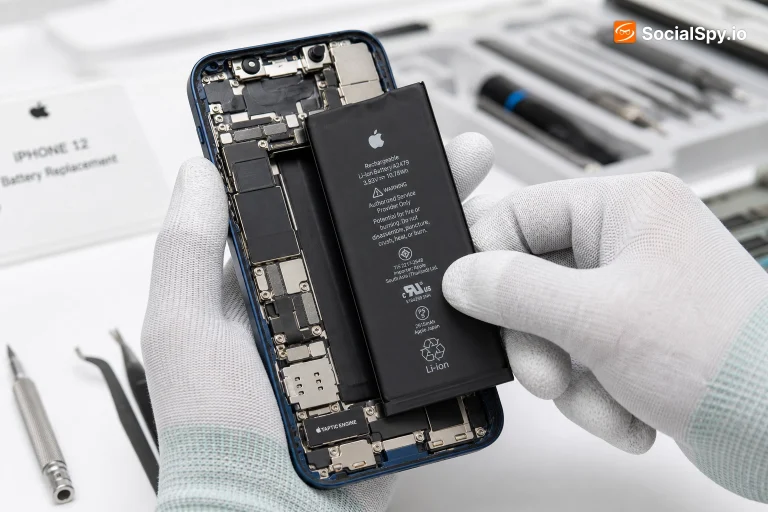
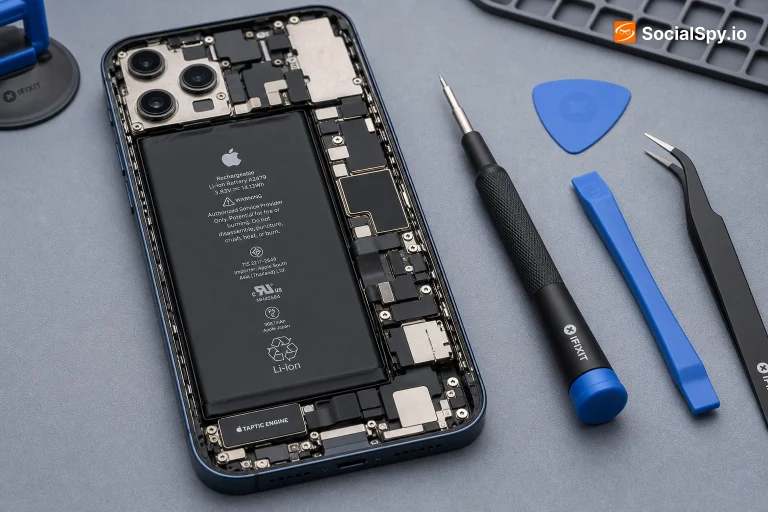
The 12 uses the same stretch-release adhesive battery mounting found in every recent iPhone, and as a standard model its internals are somewhat less densely packed than the Pro version, giving a DIYer slightly more room to work. The core risk remains the same on any iPhone: forcing a metal tool near the cell while trying to free it from the adhesive is how batteries get punctured, a real safety issue that keeps professional repair the safer default for most people.
Tips to Make It Last Longer
The single most useful 12-specific tip is checking your 5G settings - switching from forced 5G to "5G Auto" can genuinely extend a charge, especially anywhere your signal is inconsistent, since the phone stops working as hard to maintain a 5G connection it doesn't consistently need. Beyond that, the usual advice applies: avoid leaving the phone in prolonged heat, and keep Optimized Battery Charging enabled to reduce time spent sitting at a full charge, both of which slow long-term wear regardless of model.
Is the iPhone 12 Still Worth It in 2026?
In 2026, the 12 remains a solid, if now clearly aging, daily phone - the OLED display and Ceramic Shield still hold up well, and MagSafe accessories remain widely available since Apple has kept the standard going. If buying used, be aware that 5G's extra power draw compounds with several years of normal battery aging, so checking Battery Health is especially worthwhile here rather than judging from a quick test.
Frequently Asked Questions
The 12 introduced 5G, which draws noticeably more power than the 11's 4G/LTE-only radios, especially with a weak signal. That's a real, model-level difference, not necessarily a sign the 12's battery has degraded.
Yes, often noticeably - it lets the phone use 5G only when it meaningfully improves your connection, rather than constantly searching for and maintaining a 5G signal even where it doesn't help much.
If the rest of the phone still meets your needs, yes - it's a relatively small cost that fully restores real-world battery life, and the 12 remains a capable phone for everyday use years after launch.
Go to Settings, then Battery, and scroll down to see a breakdown of battery usage by app over the last 24 hours or 10 days - it's a useful first step before assuming the battery itself is the problem.