iPhone 17 Battery Basics
The iPhone 17 is the generation where ProMotion - the smooth, adaptive 120Hz display technology that had been Pro-exclusive since 2021 - finally reached the standard iPhone, alongside a larger 6.3" screen, up from the 15 and 16's 6.1". Both changes affect battery use in opposite directions: a bigger, faster-refreshing display draws more power, while a newer, more efficient A19 chip helps offset it.
What Made the iPhone 17 Special
The 17 is the first standard, non-Pro iPhone to get ProMotion's adaptive high refresh-rate display, a feature Apple had reserved for Pro models since its 2021 debut. It also grew to a 6.3" screen, splitting the difference between the previous 6.1" standard size and the Plus/Air's larger displays.
How the iPhone 17 Battery Ages
The underlying battery chemistry is unchanged from every recent iPhone - rated for roughly 500 full charge cycles before capacity drops meaningfully below 80% of original. ProMotion's variable refresh rate (it drops as low as 1Hz for static content, not a constant 120Hz) is designed specifically to limit the battery cost of the smoother display, so its arrival on the standard 17 shouldn't meaningfully change how the battery ages compared to the 16, even though the screen technology is more advanced.
Signs You Need a Replacement
Standard signs apply cleanly here: check Battery Health (Settings, then Battery, then Battery Health & Charging) rather than judging by feel, especially on a phone this new. A reading below 80% or unexpected shutdowns at non-zero charge are the reliable indicators; anything else at this age is more likely a settings or usage change (like getting used to ProMotion's smoother scrolling) than real battery wear.
What a Replacement Costs
As the standard, non-Pro model, the 17 sits at the more affordable end of the lineup's replacement pricing, similar to where the 15 and 16 sat relative to their own Pro counterparts. In-warranty or AppleCare+ coverage with Battery Health under 80% makes it free; independent shops are typically the cheapest paid option outside that coverage.
DIY vs. Professional Replacement
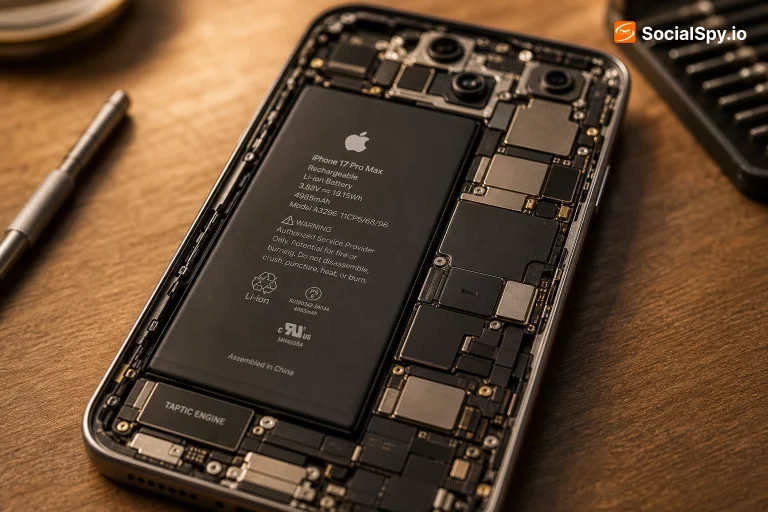
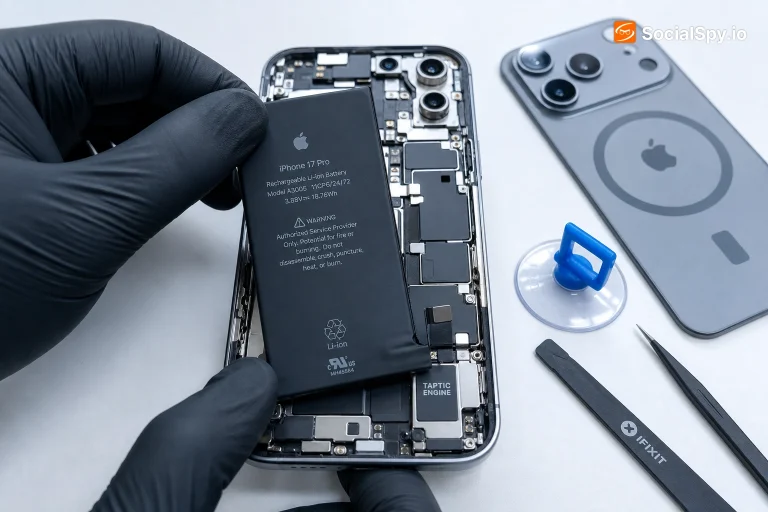
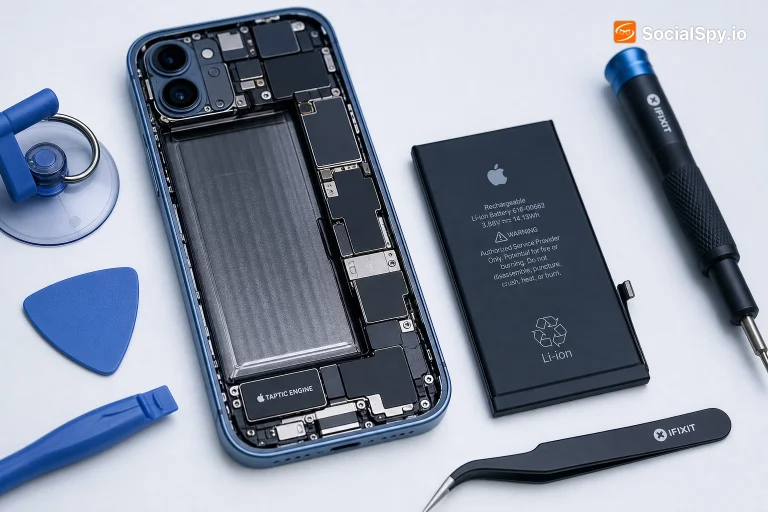
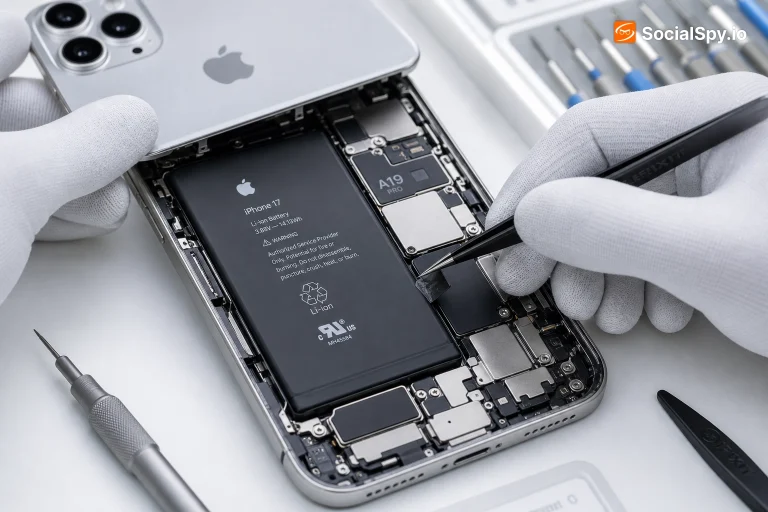
The 17 uses the same stretch-release adhesive battery mounting as recent iPhones, and as a standard (non-Pro) model its internals remain somewhat less densely packed than the Pro line's camera-plateau design. The core DIY risks are unchanged from any iPhone: a punctured cell from forcing a metal tool near the battery is a real fire hazard, which is why professional replacement remains the safer default for most people.
Tips to Make It Last Longer
Since ProMotion is designed to be efficient by default, there's little need to disable it purely for battery reasons - the bigger, more reliable levers are the same as always: avoid heat exposure, and leave Optimized Battery Charging on to reduce time spent at 100%.
Is the iPhone 17 Still Worth It in 2026?
The 17 is a strong pick if you want the smoother ProMotion display without paying Pro pricing - it's new enough that battery condition isn't a relevant factor in a purchase decision right now, only whether the screen size and camera setup match what you need.
Frequently Asked Questions
Not meaningfully - ProMotion's refresh rate scales down automatically for static content, and it's specifically designed to avoid a significant battery penalty compared to a fixed 60Hz display.
It grew to 6.3", up from the iPhone 16's 6.1" - the first size increase for the standard (non-Plus/Air) iPhone in several generations.
Yes - as the standard model it typically costs less to service than the 17 Pro or Pro Max, similar to the pricing gap on previous generations.