
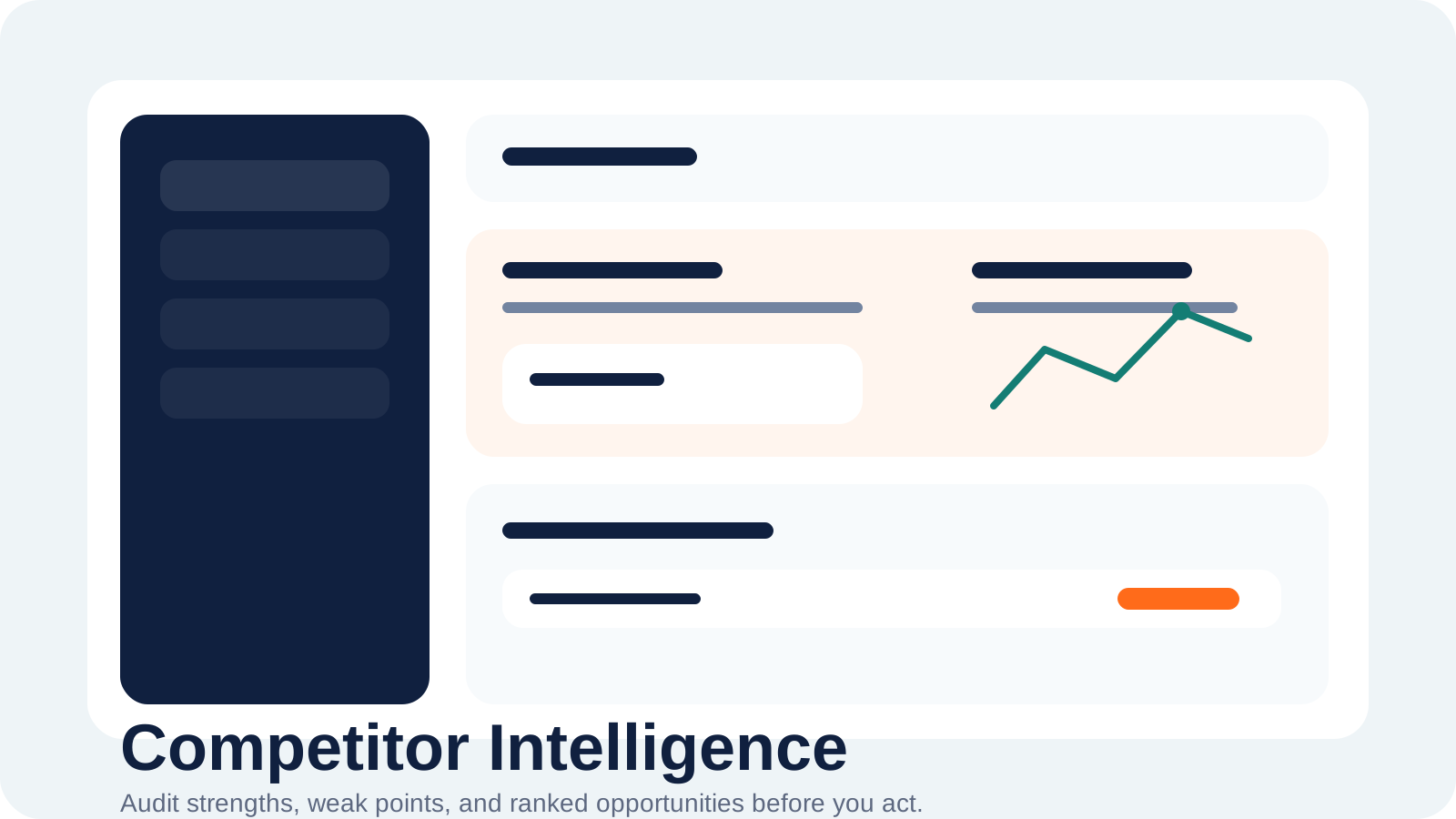
Competitor intelligence is most useful when it changes what your team does next. Too many audit workflows stop at commentary and never convert the signal into priorities.
Read the market before you judge the account
A competitor is only meaningful inside a market frame. First look at the category, market maturity, and content behavior around them. Then look at the account itself.
What a strong audit should resolve
- Where the competitor is winning consistently
- What their content rhythm looks like
- Which signal is reproducible and which is noise
- What your own next move should be
Rank findings by actionability
Teams lose momentum when every finding looks equally important. Audit outputs should separate strengths, weaknesses, and opportunities by how quickly someone can act on them.
If an audit does not change the shortlist, the spend, or the next experiment, it was too passive.
A better handoff
Connect the audit to discovery results and live ranking views. That way the team can move from observation to decision without reopening the same research from scratch.
Frequently asked questions
What should competitor intelligence lead to?
A better shortlist, clearer experiments, and faster decisions around creative, targeting, or positioning.
Why do most audits feel flat?
Because they describe what happened without ranking what matters next.
0 comments
Public comments stay moderated. Editorial replies can be sent by email from the admin portal.